
Every cannabis strain alive today traces back to a handful of original varieties called landrace strains. Hindu Kush from the mountains of Afghanistan and Pakistan. Durban Poison from South Africa. Acapulco Gold from the hills of Mexico. Thai from the forests of Southeast Asia. These plants grew wild for centuries, shaped entirely by their local climate with no human breeding involved [4].
So how did genetics from remote mountain ranges and tropical jungles end up in California? Two things happened in the 1960s and 70s. First, American soldiers returning from Vietnam brought cannabis seeds home with them. Second, a legendary overland route running from Istanbul through Iran, Afghanistan, Pakistan, India, and Nepal became known as the Hippie Trail. Thousands of Western travelers and counterculture explorers walked this route through the 60s and 70s, and along the way they collected seeds from the best local cannabis they encountered, carrying them back to Europe and North America [4]. When those landrace seeds arrived in the West, breeders got to work. They crossed indica genetics from the mountains with sativa genetics from the tropics, creating the first modern hybrids: Northern Lights, Skunk #1, Haze. From those foundational crosses came OG Kush, Girl Scout Cookies, Gelato, Runtz, and everything that followed.
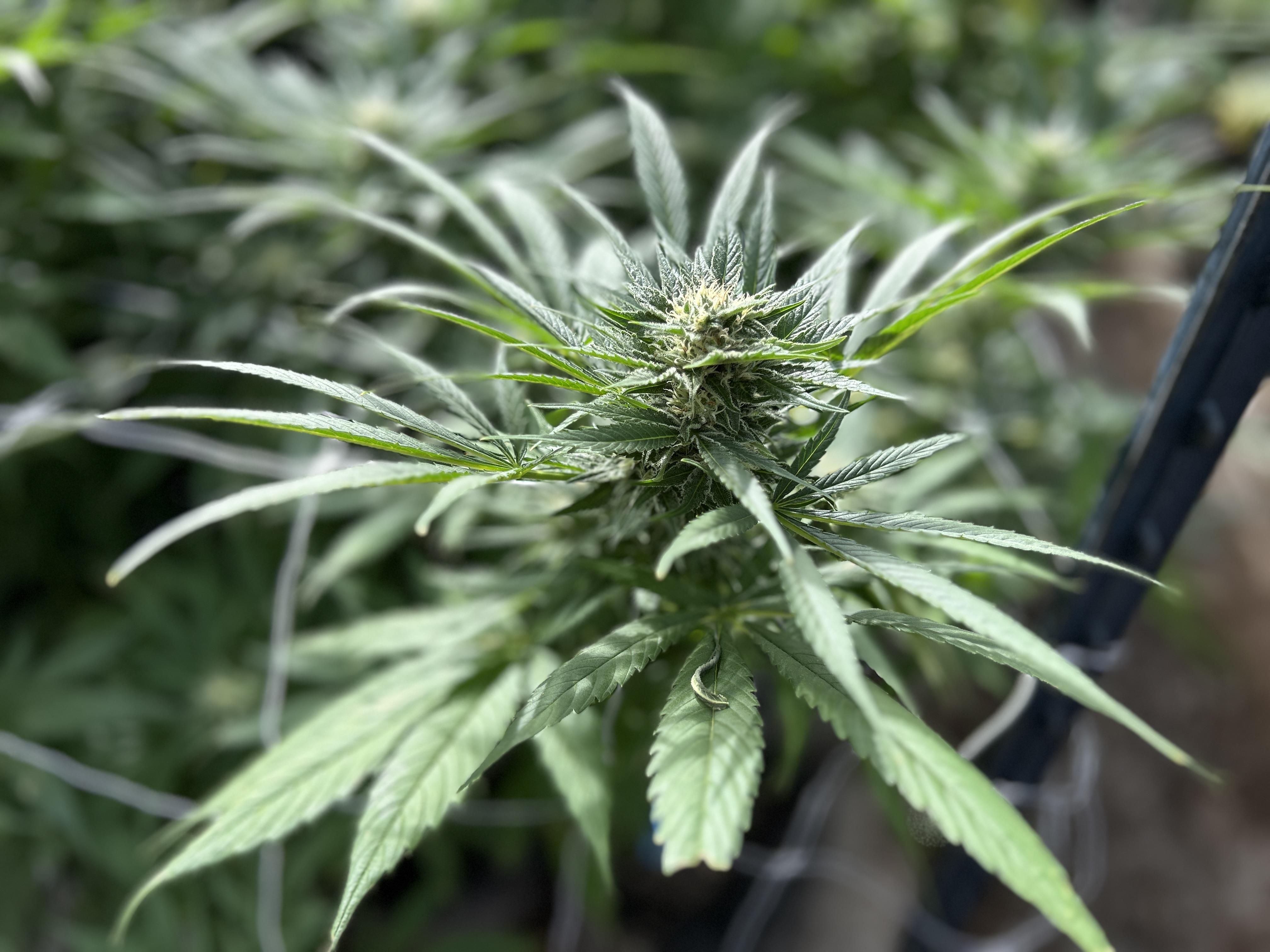
The parent plants themselves look completely different depending on where they evolved. Sativas grew near the equator where seasons are long, stretching 10 to 20 feet tall with thin leaves and airy buds that take 10 to 16 weeks to flower. Indicas evolved in harsh mountain climates where summers are short, staying compact at 3 to 6 feet with broad leaves and dense buds that finish in 6 to 9 weeks [3]. These are not random differences. They are survival adaptations shaped by thousands of years of natural selection.
Recent research is adding a fascinating new layer to this history. A 2021 study published in Nature Plants analyzed hundreds of cannabis samples and found that the terpene profile of a strain was actually a better predictor of its characteristics than whether it was labeled indica or sativa [1]. A 2025 study went further, proposing that cannabis could be classified by its chemical fingerprint rather than the traditional categories [2]. The physical differences between the plants are real and the history is real, but when it comes to flavor, aroma, and what makes each strain unique, terpenes tell the fuller story. Explore our full strain lineup in the Strain Wiki.
References
- [1] Watts, S., et al. (2021). Cannabis labelling is associated with genetic variation in terpene synthase genes. Nature Plants. https://www.nature.com/articles/s41477-021-01003-y
- [2] Herwig, N., et al. (2025). Classification of Cannabis Strains Based on their Chemical Fingerprint. Cannabis and Cannabinoid Research. https://journals.sagepub.com/doi/10.1089/can.2024.0127
- [3] Sensi Seeds. What is the difference between indica and sativa? https://sensiseeds.com/en/blog/difference-between-indica-and-sativa/
- [4] Herbal Dispatch. The Rise of Kush: How a Landrace Strain Conquered the Cannabis World. https://herbaldispatch.com/blogs/news/the-rise-of-kush-how-a-landrace-strain-conquered-the-cannabis-world
- [5] The Cannigma. Beyond Indica, Sativa, and Hybrid: Why Cannabis Terpene Profiles Are the Future of Classification. https://cannigma.com/plant/terpenes/beyond-indica-sativa-and-hybrid-why-cannabis-terpene-profiles-are-the-future-of-classification/
These statements have not been evaluated by the Food and Drug Administration. This product is not intended to diagnose, treat, cure, or prevent any disease.
Visit The Farm
Shop premium cannabis at any of our 6 California locations.