
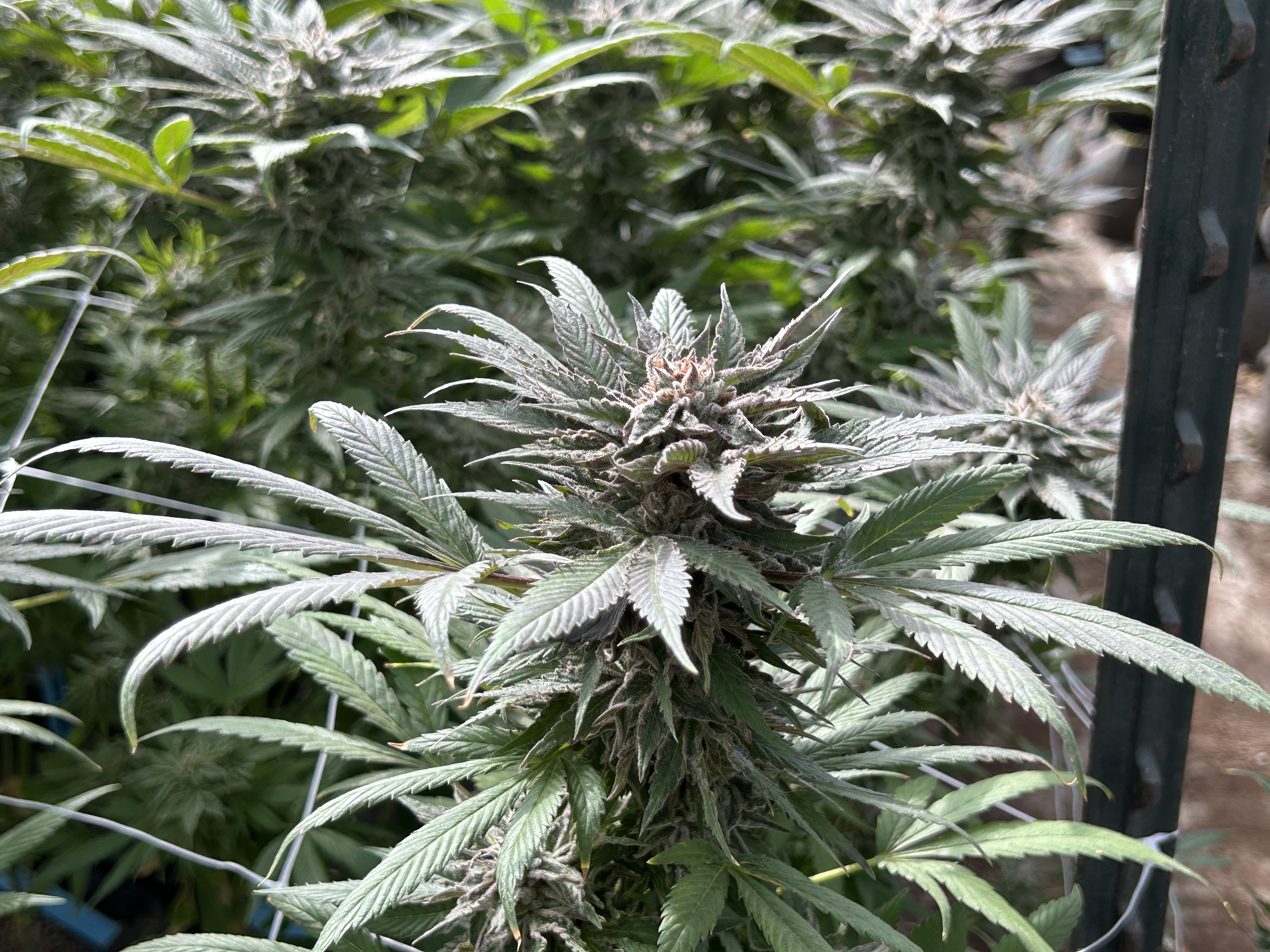
Cannabis produces all of its cannabinoids from a single starting compound called CBGa, sometimes called the "mother cannabinoid." As the plant matures, enzymes inside the trichomes convert CBGa down three different paths. One path produces THCa, which becomes THC when heated. Another produces CBDa, which becomes CBD. A third produces CBCa, which becomes CBC. The conversion from the raw acidic forms to the active versions (THC, CBD, CBC) happens through heat, whether from smoking, vaping, or cooking. This process is called decarboxylation.
The story keeps going after harvest. THC is more sensitive to its environment compared to CBD. Over time, exposure to oxygen, light, and heat gradually converts THC into CBN (cannabinol) through a natural process called oxidation. This is why older flower can feel different from a fresh batch. CBD is more stable and holds up much longer in storage. Proper storage (cool, dark, airtight) slows the whole process down and preserves the original cannabinoid profile for longer. From the moment CBGa forms in the trichomes to how flower is stored on a shelf, the cannabinoid profile is always in motion. Explore our full strain lineup in the Strain Wiki.
References
- [1] Villard, C. et al. (2026). Resurrected Ancestral Cannabis Enzymes Unveil the Origin and Functional Evolution of Cannabinoid Synthases. Plant Biotechnology Journal. https://onlinelibrary.wiley.com/doi/10.1111/pbi.70475
- [2] Tahir, M.N. et al. (2021). The biosynthesis of the cannabinoids. Journal of Cannabis Research. https://link.springer.com/article/10.1186/s42238-021-00062-4
- [3] Encore Labs. THC Degradation: Why Potency Changes Over Time. https://encorelabs.com/thc-degradation-why-potency-changes/
These statements have not been evaluated by the Food and Drug Administration. This product is not intended to diagnose, treat, cure, or prevent any disease.
Visit The Farm
Shop premium cannabis at any of our 6 California locations.