
Patients diagnosed with insomnia experience sleep-related improvements following their use of medical cannabis preparations, according to long-term observational data published in the journal PLoS Mental Health. Consistent with other studies, participants reported improvements in their sleep quality, anxiety, depression, and health-related quality of life. Fewer than 1 in 10 participants reported an adverse event, most of which were categorized as mild or moderate (e.g., fatigue, dry mouth). Over 124 patients were studied over an eighteenth month period with 90% of them claiming they would continue to use cannabis as a way to help with insomnia. NORML. (2026, February 19). Study: Medical cannabis products provide improved sleep outcomes for patients with insomnia. NORML. https://norml.org/news/2026/02/19/study-medical-cannabis-products-provide-improved-sleep-outcomes-for-patients-with-insomnia/

Most patients consuming medical cannabis products experience sustained improvements in their health-related quality of life.

Most consumers acknowledge using cannabis in place of pharmaceutical medications, according to survey data compiled by the telehealth platform NuggMD. Of the 485 subjects surveyed, more than 79 percent said that they consumed cannabis, at least in part, as an alternative to prescription medications. Notably, most respondents did notparticipate in state-sanctioned medical marijuana access programs. The findings, which are consistent with numerous other surveys, indicate that many consumers use cannabis for therapeutic purposes, even if they do not self-identify as patients. Many longitudinal studies report a decline in patients’ use of conventional medicines, specifically opioids, anti-anxiety drugs, and sleep aids, following their use of cannabis. Consumers also frequently report substituting cannabis for alcohol, tobacco, and other controlled substances. Source
Using CBD daily is associated with improved memory and reduced age-related cognitive decline, according to a study published in the journal Frontiers in Aging Neuroscience.
Most patients with endometriosis say that cannabis is superior to pharmaceutical medications and possesses fewer side effects.
Marijuana consumers are more than three times more likely to regularly exercise than drink alcohol, and they're nearly five times more likely to work out routinely.
A majority of sports fans across multiple leagues—from the NFL to pro tennis and the NBA to NASCAR—say it’s acceptable for cannabis companies to sponsor teams.
An estimated seven percent of US adults ages 65 and older acknowledge having consumed cannabis within the past month, according to the journal JAMA Internal Medicine
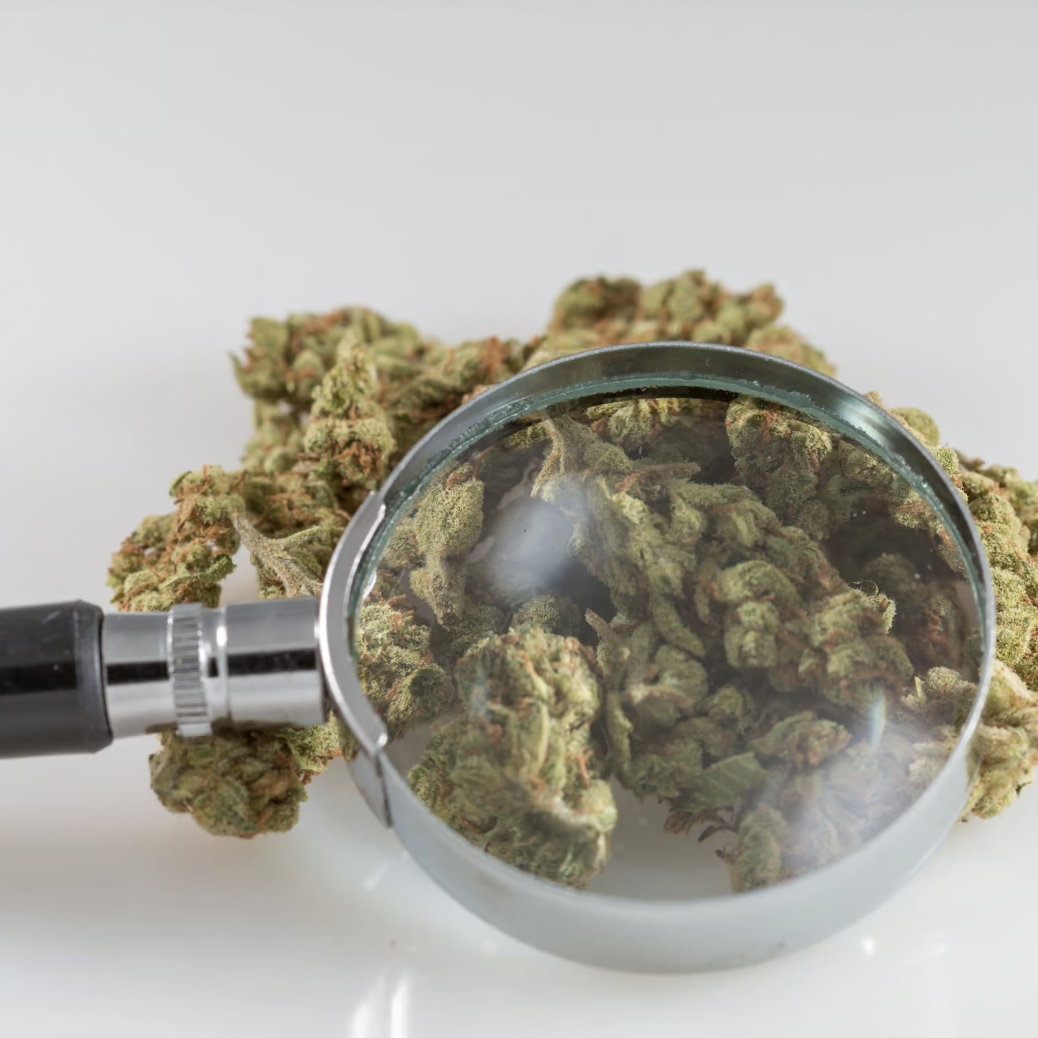
Scientists identified 33 cannabis genome markers tied to cannabinoid production, paving the way for faster, targeted breeding and new strain innovation.

Patients with musculoskeletal pain experience symptomatic improvements and few side effects following the sustained use of medical cannabis, according to newly data published in the scientific journal Cureus . Investigators affiliated with the Rothman Orthopaedic Institute at Thomas Jefferson University in Philadelphia assessed the safety and efficacy of long-term cannabis use in a cohort of 129 patients suffering from musculoskeletal pain. Study participants were registered in Pennsylvania’s medical cannabis access program and were assessed for at least one year. Over three-quarters of study subjects reported using at least one type of cannabis product daily, with most (64 percent) choosing to use topical formulations. Consistent with prior studies, the majority (93 percent) of pain patients said that cannabis improved their primary symptoms. Cognitive and motor effects were minimal for most users, with 72 percent reporting “no impact” on their thinking, coordination, or motor functions. Some 40 percent of study participants acknowledged reducing their use of traditional analgesics, including opioids, following medical cannabis initiation – a finding that is also consistent with other studies. Source